Experience Surf Local better on our app — Swipe through listings, Chat directly with agents, and get access to our Mortgage Expert!
Why Online Property Platforms Are Replacing Traditional Listings
Discover why online property platforms are replacing traditional listings with better search tools, real-time data, and faster, smarter home buying experiences.
4 min
The way people buy and sell homes has changed quite a bit over time. It is not just about listings anymore. Buyers do not want to depend only on static pages, slow replies or jumping between different tools that do not connect well. They expect things to be quicker, easier to follow and a bit more transparent. That is a big reason why online property platforms are getting more attention and slowly changing how people deal with real estate.
For a long time, traditional real estate depended on agents, broker websites and fairly basic listing systems to connect buyers and sellers. That still exists and it still matters. But expectations have shifted. Most buyers now want to browse on their phones, compare options quickly and get useful information without waiting too long. The process feels different from how it used to be.
One reason online property platforms are growing is because they match how people actually search now. Instead of looking at a handful of listings and making calls one by one, people prefer to explore on their own first. They filter by price, location and features, move between options and slowly narrow things down. It feels more natural that way.
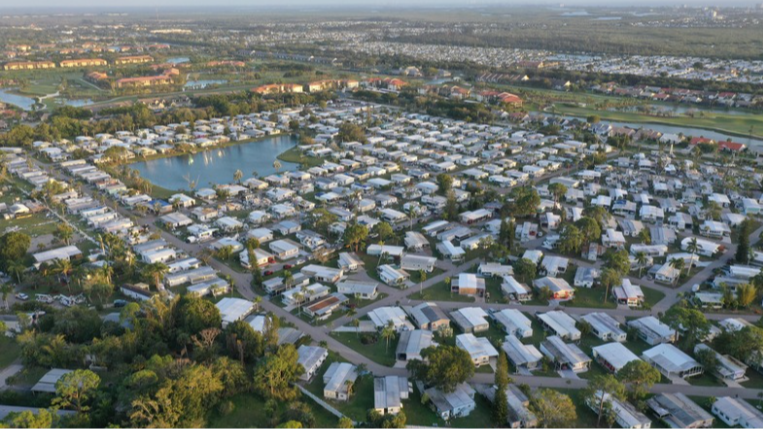
This becomes more noticeable in active markets where properties in Florida attract different types of buyers. Some are local and some are moving from other states. In both cases, a smoother online experience makes things easier. It reduces small delays and helps people move forward when they feel ready.
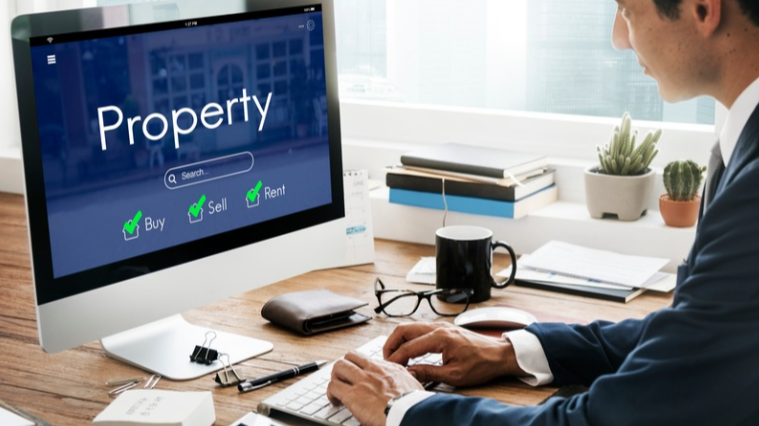
Another shift is what buyers expect to see. It is not just about basic details anymore. People want clearer visuals, better descriptions and information that actually helps them decide. A simple list of homes does not feel like enough now. This is where an online real estate marketplace starts to feel more useful. Everything is in one place and easier to go through.
Traditional listing models still work but they can feel a bit limited. They show homes, but they do not always help with the full process around them. Newer platforms are trying to make things feel more connected and easier to use without adding extra steps.
That is really what the discussion around traditional real estate vs online property platforms comes down to. It is not about one replacing the other completely. It is more about what people prefer to use. Most buyers lean toward options that give them more control and faster access to information.
For example, when someone starts a property search in Florida, they usually want to look around first. Compare areas, check different types of homes and understand what fits their budget. A modern platform supports that kind of search better than older systems. It lets people move at their own pace.
Another reason these platforms are growing is the broader advantages of online real estate marketplaces. They make it easier to access listings, compare options and move through the process without switching between multiple websites. That alone saves time and reduces confusion.
Platforms like Surf Local are part of this shift. It works more like a complete Florida property marketplace instead of just a listing page. Buyers can explore options more easily and sellers get better visibility for their homes. It feels more in line with how people already search.
At the same time, many older property listing websites still feel basic. They show homes but they do not always support what comes next. As more people get used to better digital experiences, they naturally move toward platforms that feel easier to use.
That said, traditional real estate still plays an important role. Agents, pricing strategy, contracts and negotiations are still essential parts of the process. The difference is how those services are delivered now. People expect them to be part of a smoother and more connected system.
Going forward, real estate will probably stay a mix of both. Professional guidance supported by better technology. But within that, the platforms that stand out will be the ones that feel simple, quick and easy to use.
That is why this shift is happening faster now. People searching properties in Florida or anywhere else are more comfortable using digital platforms from the start. As expectations keep changing, platforms that offer better usability and a more complete experience will continue to grow.
Online real estate is no longer just an alternative. For many people, it is already the easier way to search, compare and move forward. And that is only becoming more common.
Latest Posts



Subscribe to our newsletter and receive a selection of cool articles every week.
Connect With Us



Smarter Home Decisions With Real Estate Insights
Practical advice, pricing insights, and neighborhood knowledge - explained simply.