Experience Surf Local better on our app — Swipe through listings, Chat directly with realtors, and get access to our Mortgage Expert!
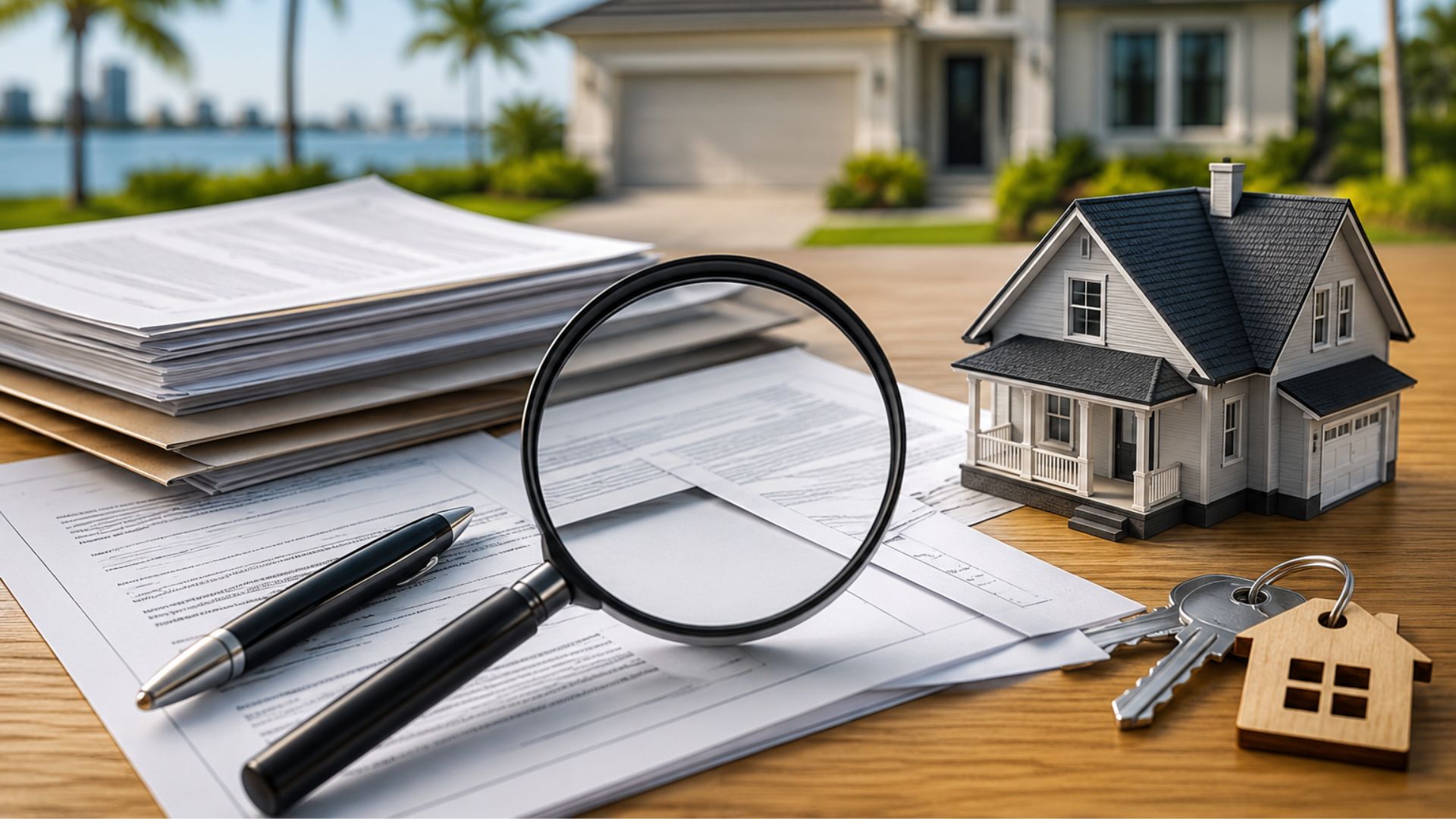
What Documents To Review Before Buying A Home In Florida
Planning to buy a home in Florida? Review key documents like title reports, inspections, HOA records, and disclosures to avoid risks and make a smart purchase.
8 min
Most buyers spend the majority of their energy during a home purchase focused on the search itself. Finding the right neighborhood, getting the offer right, negotiating the price. All of that matters enormously but there is a stage of the process that does not get nearly as much attention and that quietly determines whether you actually understand what you are buying. The documents. Florida comes with a specific set of paperwork that buyers need to review carefully before they commit and the ones who skip that step or rush through it sometimes find out after closing what they should have known before it.
The Seller's Disclosure Statement: Read Every Line
This is the document that sellers are legally required to provide and it is the one that buyers most commonly skim rather than read properly. Florida operates under the Johnson v. Davis standard which requires sellers to disclose any known facts that materially affect the value of the property and that are not readily observable by the buyer. What documents to look for when buying a house in Florida start here because this one covers the history of the property in ways that nothing else does. Past flooding events, roof repairs, pest infestations, mold history, structural issues and any disputes or legal matters affecting the property all belong in this document. Read it carefully, ask follow up questions about anything that is vague and never assume that a blank field means there is nothing to know.
The Title Report: Understanding What You Are Actually Buying
A title report is something a lot of buyers hear about without fully understanding what it tells them and why it matters. Before documents to check before buying a house get reviewed the title is the foundation because it establishes whether the seller actually has the legal right to sell the property and whether there are any claims, liens or encumbrances attached to it. Outstanding mortgage balances, unpaid contractor liens, tax liens and legal judgments against the property all show up in a title search. Any of those things can become your problem after closing if they are not resolved first. Your title company or real estate attorney will review this but you should ask for a copy and read through it yourself rather than assuming everything is clean because nobody mentioned otherwise.
The HOA Documents: The Ones Most Buyers Rush Through
If the property you are buying sits within a homeowners association the HOA documents deserve more time and attention than most buyers give them. Florida law requires sellers to provide buyers with the HOA's governing documents including the declaration of covenants, the bylaws and the rules and regulations. These documents tell you what you can and cannot do with the property you are about to own. Whether you can rent it out, what modifications you can make, what the parking rules are, what pets are allowed and what the process looks like if you want to make changes to the exterior. Read all of it rather than saving it for later because discovering after closing that you cannot do something you specifically bought the property to do is a frustrating and expensive situation to be in.
The HOA Financial Statements and Reserve Study
Beyond the governing documents, the financial health of the HOA itself matters in ways that affect your wallet directly and on an ongoing basis. Ask for the most recent financial statements and the reserve study before you commit. The reserve study tells you whether the association has been setting aside adequate funds for major repairs and replacements over time. An underfunded reserve is one of the clearest warning signs that a special assessment is coming and special assessments can arrive quickly and for significant amounts without much warning to owners. A financially healthy HOA with adequate reserves is a very different ownership experience from one that has been deferring costs for years and is now facing a reckoning.
The Survey: Knowing Exactly What You Own
A property survey is one of the documents that buyers sometimes treat as optional and it is not. A current survey shows the exact boundaries of the property, any easements that cross it, encroachments from neighboring properties and the precise location of any structures on the lot. In Florida where properties sometimes sit close to water, conservation land or neighboring properties with unclear historical boundaries, a survey can surface issues that affect how you use the property and what you can build or modify on it. If the seller has an existing survey it is worth reviewing but also worth asking how old it is because a survey from fifteen years ago may not reflect changes that have happened since.
The Inspection Report: Every Page Not Just the Summary
Most buyers get a home inspection and most buyers read the summary rather than the full report. The summary gives you the headline issues but the full report contains the detail that actually allows you to make informed decisions about what to negotiate and what to be aware of as a new owner. Properties for sale in Florida come with Florida-specific inspection considerations that buyers in other states do not deal with in the same way. Roof condition and age gets particular attention from inspectors here because of the impact it has on insurance. Signs of moisture intrusion, air conditioning system condition and any evidence of pest activity all deserve careful reading in the full report rather than a quick glance at a traffic light summary page.
The Flood Zone Determination and Elevation Certificate
Florida has more properties in designated flood zones than almost any other state and the flood zone status of what you are buying affects your insurance costs in ways that compound every month for as long as you own the home. Ask for the flood zone determination and if the property is in a designated flood zone ask for the elevation certificate. The elevation certificate tells you how the structure sits relative to the base flood elevation and that number directly affects what flood insurance costs. Buyers who review this document before committing rather than after have a much clearer picture of total ownership costs and are far less likely to find themselves surprised by an insurance bill that changes the financial reality of the purchase.
The Closing Disclosure: Line by Line Before You Sign
The closing disclosure arrives a few days before closing and it sets out every cost and credit associated with the transaction in detail. Most buyers glance at the bottom line rather than reading through every line item and that is where mistakes and unexpected charges sometimes get missed. Compare it carefully to the loan estimate you received earlier in the process and ask your lender or real estate attorney to explain anything that looks different or that you do not understand. Homes for sale in Florida carry closing costs that typically run between 2 and 5 percent of the purchase price and knowing exactly what makes up that number before you sit down at the closing table is considerably better than finding out in the moment.
How Surf Local Helps Buyers Stay Informed
Knowing which documents to review is one part of buying well and having the right agent and platform behind your search is the other. Surf Local connects buyers with verified agents across Florida who understand the document review process and surface important issues early rather than leaving buyers to figure things out on their own at the last minute. Whether you are searching properties for sale in Florida for the first time or you have been through the process before and want a smoother experience, having an agent who walks you through every document with genuine knowledge rather than rushing you to closing makes a real difference to the outcome. Verified agent profiles and built-in direct chat on Surf Local mean you can find that person before you need them rather than scrambling once you are already under contract.
Final Thoughts
The documents that come with a Florida home purchase are not just paperwork to get through on the way to closing. They are the information that tells you what you are actually buying, what obligations come with it and what it is genuinely going to cost you to own. Buyers who take the time to read them carefully and ask questions about anything that is unclear tend to close with considerably more confidence than the ones who sign whatever is put in front of them and hope for the best. Start your search on Surf Local where current listings, verified agents and real market information give you the foundation to move through the buying process with your eyes fully open.
Latest Posts

Subscribe to our newsletter and receive a selection of cool articles every week.
Connect With Us



Smarter Home Decisions With Real Estate Insights
Practical advice, pricing insights, and neighborhood knowledge - explained simply.